English
 Español
 Russian

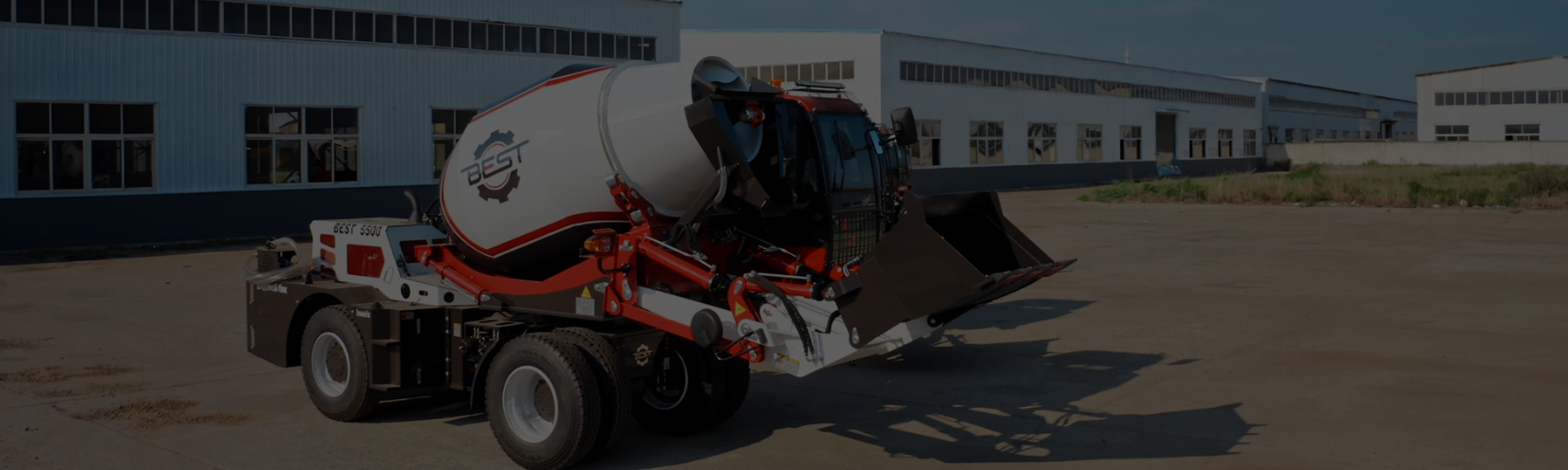
A self loading concrete mixer is a multifunctional construction machine that integrates loading, batching, mixing, and transporting. It is widely used in building construction, road projects, and mining operations.
Due to harsh working environments such as heavy load operation, continuous working cycles, dust, and high temperature conditions, proper and systematic maintenance is essential to ensure long-term performance, reduce failure rates, and extend service life.
1. Overall Maintenance Concept
The self loading concrete mixer consists of four core systems: the engine power system, hydraulic system, mixing system, and chassis driving system. All maintenance activities must be carried out based on these four systems in a structured and scheduled manner.
2. Daily Inspection and Cleaning (Before and After Operation)
Before starting the machine, a full inspection must be carried out to ensure safe operation. Operators should check whether there is any oil leakage, water leakage, or structural abnormality. Tire pressure and chassis connections must also be inspected to ensure safety.
Oil levels including engine oil, coolant, and hydraulic oil must be checked to ensure they are within the standard range. At the same time, the electrical system, dashboard indicators, and battery connections should be verified.
After each working shift, the mixing drum must be cleaned immediately. Concrete residue must not be left inside the drum, as it will harden and cause serious damage to the equipment. The discharge outlet and machine body should also be cleaned.
3. Engine Maintenance Cycle (Power Core System)
The engine is the power source of the entire machine and directly affects performance and fuel consumption.
The first engine oil change must be carried out after 500 working hours. After that, oil and oil filters should be replaced every 1500 hours.
In dusty working environments, the air filter must be checked daily, cleaned weekly, and replaced every 3 months. In severe conditions, replacement intervals should be shortened.
The fuel system should be kept clean by using qualified diesel fuel and regularly draining water from the fuel-water separator.
4. Hydraulic System Maintenance (Core Working System)
The hydraulic system controls loading, mixing, traveling, and steering functions.
Hydraulic oil must be replaced after the first 3 months of use and then once every 12 months. Different brands or types of hydraulic oil must not be mixed.
Hydraulic filters should be inspected or replaced every 500–800 working hours to prevent contamination.
Hydraulic hoses, joints, and fittings should be inspected weekly for leakage, aging, or damage. Hydraulic oil temperature should be maintained below 80°C to avoid system degradation.
5. Mixing System Maintenance (Concrete Quality Core)
The mixing system directly determines concrete quality.
The mixing drum must be cleaned immediately after each operation to prevent concrete hardening inside the drum.
Mixing blades should be inspected monthly. If wear exceeds 30%, they must be replaced.
Support rollers must be lubricated daily, with grease added every 3 months. Any abnormal noise or uneven wear should be addressed immediately.
6. Cooling System Maintenance
The cooling system ensures stable operation under high temperature conditions.
Radiators must be cleaned daily to remove dust and debris. Fans and belt tension should be checked weekly.
Coolant levels must be maintained properly and replaced every 6–12 months depending on working conditions.
7. Transmission and Brake System Maintenance
The torque converter oil condition should be checked monthly, and the transmission shaft must be inspected for tight connections.
The braking system should be tested weekly to ensure responsiveness. Overloading and frequent hard braking should be avoided.
8. Water and Loading System Maintenance
The water tank level should be maintained at 70–75% capacity and cleaned weekly.
Water pumps and pipelines should be inspected monthly to ensure normal pressure and no blockage.
The loading bucket and joints should be checked monthly for structural deformation or welding cracks.
9. Chassis and Tire Maintenance
Tire pressure and wear conditions should be checked weekly, and wheel bolts must be tightened regularly.
The chassis structure should be inspected monthly for cracks, looseness, or deformation.
10. Maintenance Schedule Summary
Daily: drum cleaning, oil level inspection
Weekly: filter cleaning, hydraulic inspection
Monthly: full machine tightening and lubrication
Every 3 months: air filter and wear parts inspection
Every 6–12 months: hydraulic oil and coolant replacement
Every 1500 hours: engine oil system maintenance
11. Seasonal and Special Working Conditions
In winter, water systems must be drained to prevent freezing, and antifreeze must be used. Engines should be preheated before starting.
In high-temperature environments, cooling system cleaning frequency should be increased.
In dusty environments, air filters and radiators must be cleaned more frequently.
Conclusion
Proper maintenance of self loading concrete mixers is a systematic engineering process. Following structured maintenance schedules ensures higher efficiency, lower operating costs, and longer equipment service life.